Exploring Solar Panel Types and Determining the Best Choice
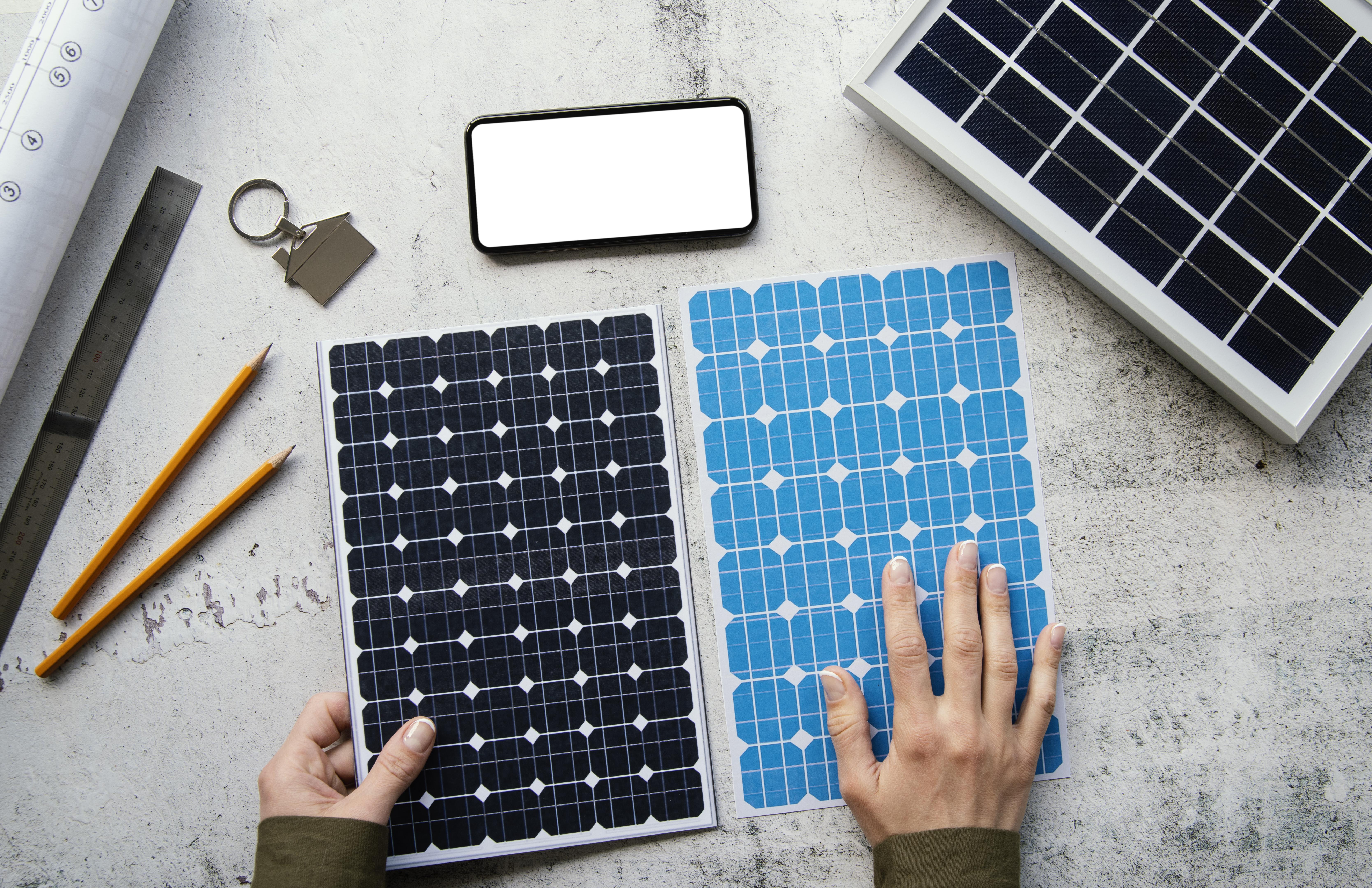
Selecting the right solar panel technology is a crucial step in your journey to harness the power of the sun. With various options available, it's essential to understand the differences in panel technologies, their efficiencies, and which one is most suitable for your unique circumstances. In this blog, we'll explore the types of solar panels, compare their efficiencies, and help you choose the best one for your needs.
Types of Solar Panel
TOPCon Solar Panels
-Characteristics:TOPCon panels are the most advanced generation of panels having lightweight design, resilience to high temperatures, and efficient energy absorption even in low-light conditions having efficiency range of 21-27%(these are currently not available in India).
-Suitability:These panels are well-suited for residential and commercial installations, challenging environments with extreme temperatures or shading, off-grid applications, and urban integration into architectural designs, ensuring efficient and versatile energy production.
Bifacial Solar Panels:
-Characteristics: Bifacial panels capture sunlight from both sides, increasing energy yield, with an efficiency range of 20-26%.
-Suitability: Ideal in snowy or highly reflective environments, as they can utilize reflected light for additional energy generation.
Monocrystalline Solar Panels:
-Characteristics: Monocrystalline panels are known for their high efficiency, typically in the range of 19-22%, and sleek black appearance.
-Suitability: Ideal for residential use and installations with limited roof space, as they generate more power in smaller areas.
Polycrystalline Solar Panels:
-Characteristics: Polycrystalline panels are cost-effective but slightly less efficient than monocrystalline, with an efficiency range of 15-18%.
-Suitability: A balance between efficiency and cost, making them a popular choice for homeowners.
Thin-Film Solar Panels:
-Characteristics: Thin-film panels are flexible and lightweight, suitable for unconventional installations, with an efficiency range of 10-14%.
-Suitability: Commonly used in large commercial installations and off-grid applications, offering versatility in design.
Efficiency and Ratings
Solar panel efficiency plays a critical role in energy production. Bifacial panels typically lead in efficiency, followed by monocrystalline, polycrystalline and thin-film panels. Efficiency is often measured in Watt-peak (Wp) and indicates a panel's ability to convert sunlight into electricity.
Choosing the Best Panel for Your Needs
Selecting the right panel technology requires careful consideration of several factors:
Available Space: If you have limited roof space, it's essential to opt for higher-efficiency panels that can generate more power within a smaller area.
Budget: Your budget will influence the panel choice. Thin-film panels are often more budget-friendly, while Bifacial panels offer premium efficiency at a higher cost.
Energy Requirements: Consider your energy consumption and requirements. A professional assessment can help you determine the right panel technology and size for your needs.
In conclusion, choosing the best solar panel technology for your specific needs is a pivotal decision. Your choice will impact your energy production, system efficiency, and long-term savings. To make an informed decision, it's essential to research, consult with solar professionals, and consider your local conditions and budget.


