Demystifying On-Grid Solar Systems
The solar revolution is here, and more homeowners are turning to on-grid solar systems to power their homes sustainably and efficiently. In this guide, we'll break down the workings of on-grid solar systems, demystifying the process and the components that make it all possible.
On-Grid Solar Overview
An on-grid solar system, also known as a grid-tied solar system, is a straightforward concept. It's all about connecting your solar setup to the existing utility grid. This is a key feature that sets on-grid systems apart from off-grid ones. With on-grid solar, your home remains connected to the grid, giving you the best of both worlds: clean solar energy and the reliability of grid power.
Components and Their Roles
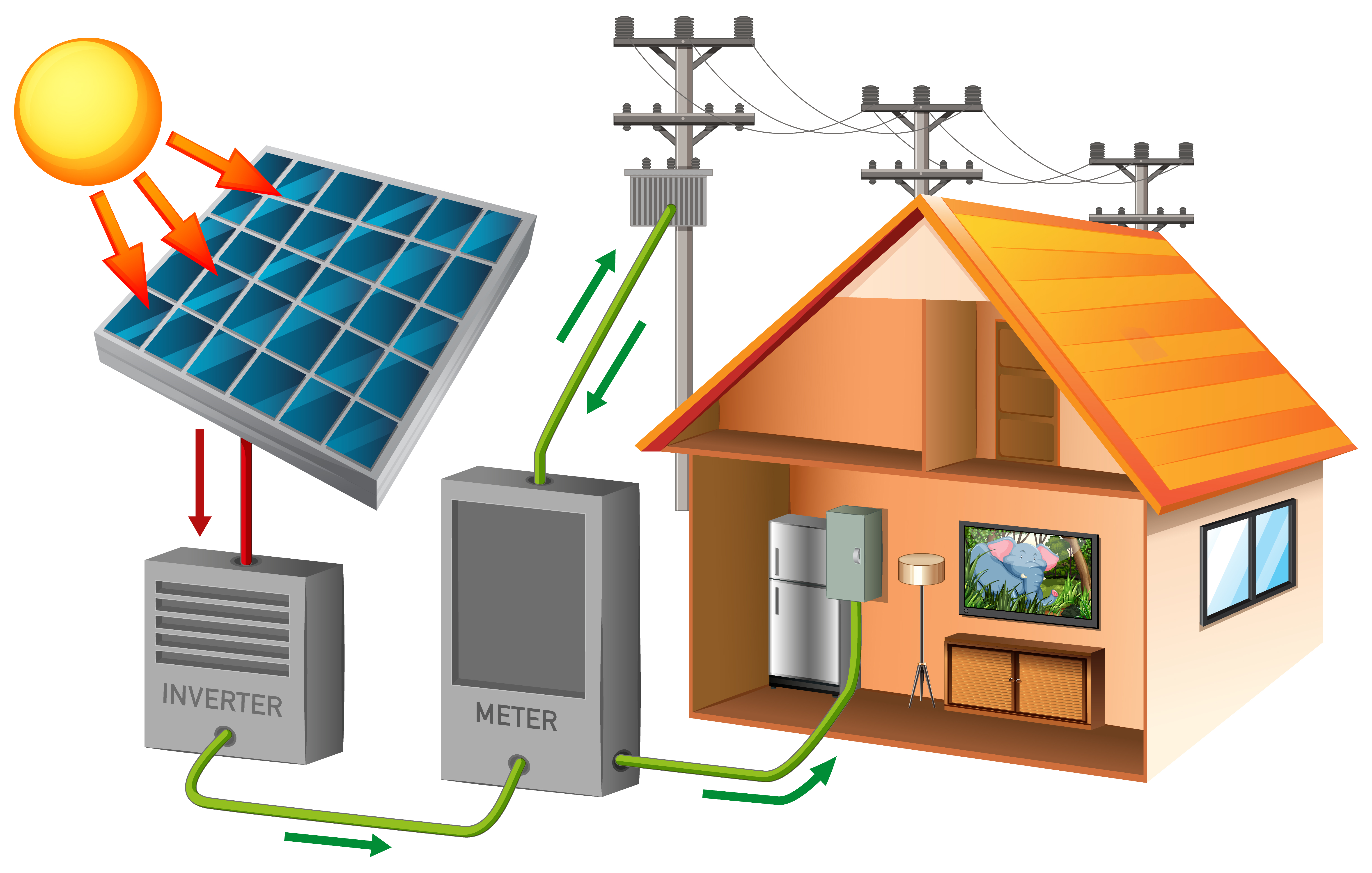
- Solar Panels: Solar panels are the heart of your solar system. They harness sunlight and convert it into electricity. These panels are usually installed on your roof, where they soak up the sun's rays and turn them into direct current (DC) electricity.
- Solar Inverter: The inverter plays a crucial role in the process. It takes the DC electricity produced by your solar panels and converts it into alternating current (AC) electricity, which your home appliances can use.
- Net Meter: Net meter is a vital component of on-grid solar. It keeps track of how much energy your solar system produces and how much you consume. Surplus energy is sent back to the grid, often earning you credits on your electricity bill.
- ACDB (AC Distribution Box): The ACDB manages the distribution of AC electricity within your home. It ensures that the AC power generated by your solar system and the grid is appropriately routed to your appliances.
- DCDB (DC Distribution Box): The DCDB is responsible for the distribution of DC electricity produced by your solar panels. It plays a critical role in managing the flow of electricity from the panels to the inverter.
These components work together to make your on-grid solar system a seamless and efficient energy solution for your home.
How On-Grid Solar Works
Now, let's put it all together. When the sun shines, your solar panels convert sunlight into DC electricity. The inverter then converts this DC electricity into AC electricity, which powers your home. If your solar panels produce more electricity than you need, the excess is sent back to the grid, earning you credits.
When the sun goes down or your panels can't produce enough power (like on cloudy days), your home draws electricity from the grid. It's a seamless transition that ensures you always have the power you need.
Conclusion
On-grid solar systems simplify your life and lower your electricity bills while reducing your carbon footprint. They offer an excellent balance of clean, renewable energy and the reliability of the grid. Consider making the switch to on-grid solar to enjoy the benefits of a sustainable, cost-effective, and eco-friendly energy source.
By investing in on-grid solar, you're not only powering your home but also contributing to a greener, more sustainable future.


